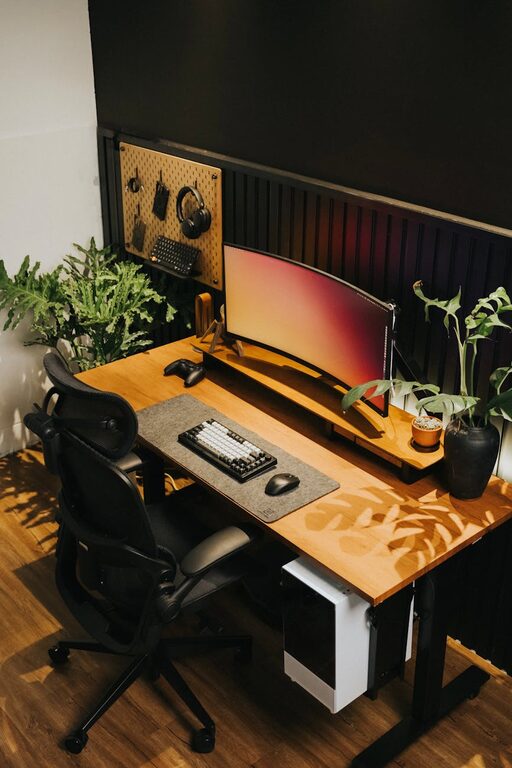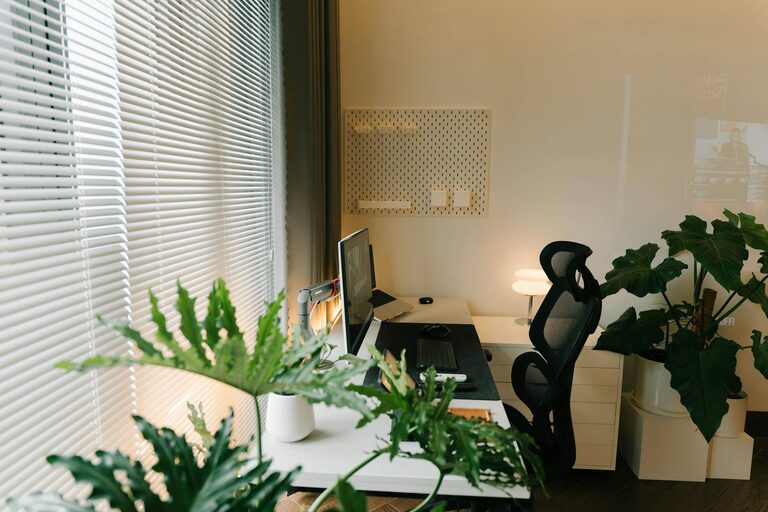
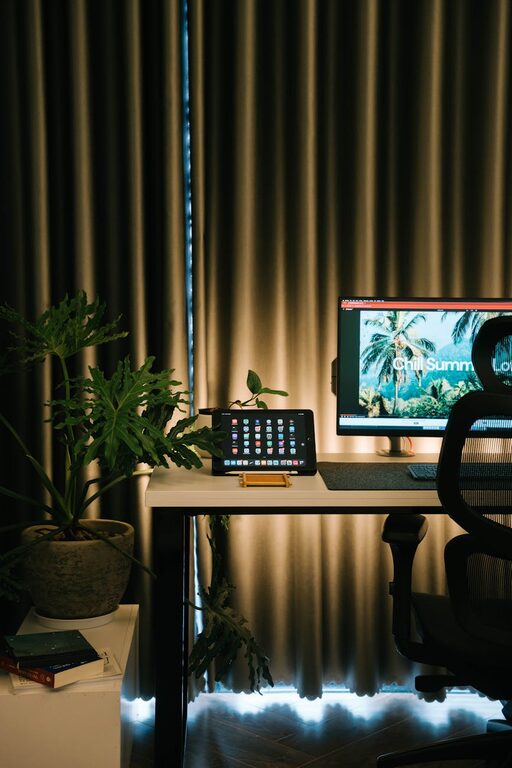
Creating a comfortable and productive home office is essential for anyone working remotely or running a business from home. A well-designed workspace can improve focus, reduce stress, and enhance overall efficiency. Whether you have a dedicated room or a small corner, this guide will help you set up an inspiring and functional home office.
Choose the Right Location
Selecting the best spot for your home office sets the foundation for your workspace.
– Quiet area: Pick a location away from heavy foot traffic and noise to minimize distractions.
– Natural light: A place near a window provides natural lighting, which can boost mood and reduce eye strain.
– Space: Ensure there’s enough room for your desk, chair, and any equipment you need.
If space is limited, consider flexible options like a foldaway desk or a convertible nook.
Invest in Ergonomic Furniture
Comfort is key during long work hours.
– Ergonomic chair: Choose a chair with adjustable height, lumbar support, and comfortable cushioning to maintain good posture.
– Proper desk height: Your desk should allow your arms to rest at a 90-degree angle when typing.
– Footrest: If your feet don’t fully touch the floor, a footrest can improve circulation and comfort.
Taking care of your posture helps prevent strain and fatigue.
Optimize Lighting
Good lighting reduces eye strain and creates a pleasant atmosphere.
– Natural light: Position your desk to benefit from daylight without glare on your screen.
– Task lighting: A desk lamp with adjustable brightness is handy for focused work during darker hours.
– Ambient lighting: Soft overhead lighting evenly lights the room without harsh shadows.
Consider bulbs with a color temperature around 4000K for a natural, balanced light.
Organize Your Workspace
Clutter can distract and cause unnecessary stress.
– Storage solutions: Use shelves, filing cabinets, or boxes to keep supplies organized.
– Desk arrangement: Keep only essential items on your desk to maintain a clean, focused environment.
– Cable management: Use clips, trays, or sleeves to organize cords and avoid a tangled mess.
Regularly declutter your space to maintain order and efficiency.
Personalize Your Space
Adding personal touches can make your office inviting and motivating.
– Artwork: Hang artwork or photos that inspire or calm you.
– Plants: Indoor plants improve air quality and add a natural touch.
– Colors: Use colors that help you focus and feel relaxed, such as soft blues or greens.
Balance personalization with professionalism if you join video calls frequently.
Set Up Technology Efficiently
Reliable and effective technology supports smooth workdays.
– Fast internet: Ensure your connection is stable and fast enough for video calls and downloads.
– Quality hardware: Invest in a good computer, monitor, keyboard, and mouse to reduce frustration.
– Accessories: Consider noise-canceling headphones, an external webcam, or a printer based on your tasks.
Regularly update your software for security and performance.
Establish Boundaries and Routine
A well-designed physical space helps, but mental boundaries are equally important.
– Work hours: Define clear start and end times for your workday.
– Break areas: Separate your workspace from relaxation zones if possible.
– Daily routine: Create a schedule to structure tasks, breaks, and meetings.
Communicate your work schedule to family or housemates to minimize interruptions.
Add Comfort Features
Small touches can make your home office more comfortable.
– Temperature control: Use fans, heaters, or air purifiers for a pleasant environment.
– Comfort items: A cozy blanket or wrist rest can enhance your comfort.
– Water and snacks: Keep a bottle of water and healthy snacks nearby to stay refreshed.
Listening to soft background music or white noise can also aid focus.
Keep it Flexible
Your home office should adapt to your changing needs.
– Adjustable furniture: Tables and chairs with adjustable features can accommodate different tasks.
– Multi-purpose space: Consider a setup that allows for both sitting and standing options.
– Regular updates: Periodically reassess your layout and equipment for improvements.
Optimizing your workspace over time keeps it aligned with your productivity goals.
—
Designing a home office that prioritizes comfort and productivity is achievable with some thoughtful planning. By choosing the right location, investing in ergonomic furniture, optimizing lighting, and organizing your supplies, you create an environment conducive to focused work. Adding personal touches and establishing routines enhances motivation and well-being. With these tips, your home office can be a space where work feels easier and more enjoyable every day.